How to Convince Leadership to Focus on Buyer Experience

Head of Growth & Product Marketing
Most marketers understand prospects need upfront product information, frictionless demo requests, and transparent pricing to make an informed investment.
But often, leadership stands in the way.
Why? Because they’re afraid of showing their cards and giving away too much information.
The thing is, your competition will somehow be able to find screenshots, sign up for a free trial, and get inside information whether you hide your product or not.
The key to winning in this environment is to provide the ultimate buyer experience. Below, we explain why and share a tried and tested method for getting your leadership onboard.
What is the B2B buyer experience?
Research shows that 90% of B2B buyers expect the same quick, easy, informative B2C sales experience from their B2B vendors.
But most B2B SaaS companies aren’t keeping up with that demand. 60% of B2B buyers agree that vendors aren’t involved in the research phase. Even when a buyer reaches out to a vendor on their own, 55% of companies take 5 or more days to respond.
The only way for B2B companies to catch up to their B2C counterparts is to optimize for this new buyer-first experience — one that aligns the sales process with how buyers want to buy and puts the buyer's needs at the center of your sales process.
How modern B2B buyers make buying decisions
In traditional sales, prospects can’t see your product unless they sign up for a demo.
Even after a live demo, that buyer has to go through several rounds of calls and negotiations before an agreement is signed and users are finally working in the product.
Today’s buyers don’t want a multi-step process like this.
They buy software all the time — they don’t need a salesperson guiding them through it. They shouldn’t have to wait weeks to get their hands on your product. They know what they want and can qualify themselves.
Lauren Kersanske at Axonius emphasizes, “Prospects have already been researching for 1-3 months. They know what their problem is, and they mostly understand what they’re trying to solve.”
Adding an interactive demo to your website or outbound emails can feel like you’re giving away your secret sauce.
But really, you’re just helping people see your product in action and decide whether it’s a good fit for their use case or not.
As Niall Sullivan, Head of Marketing at Senseye (acquired by Siemens), put it on a recent Revenue on the Rocks episode:
“Everyone’s scared of competitors seeing product, even though everyone knows what everyone’s product does. Why try to hide your product from people? An interactive demo can show exactly what it does.”
If a prospect goes through your interactive demo and then books time with your sales team or takes a look at your pricing page, there’s a high chance they’re a quality lead (and they’ll convert quickly).
Why focus on buyer experience?
Being buyer-first makes it easy for buyers to be self-sufficient — they can connect with sales, try out their products, and find their pricing and packaging information on their own.
That puts them at ease, and it makes the sales cycle much faster.
The top SaaS companies have caught on, and it’s reflected in the way they’ve designed their sales experiences.
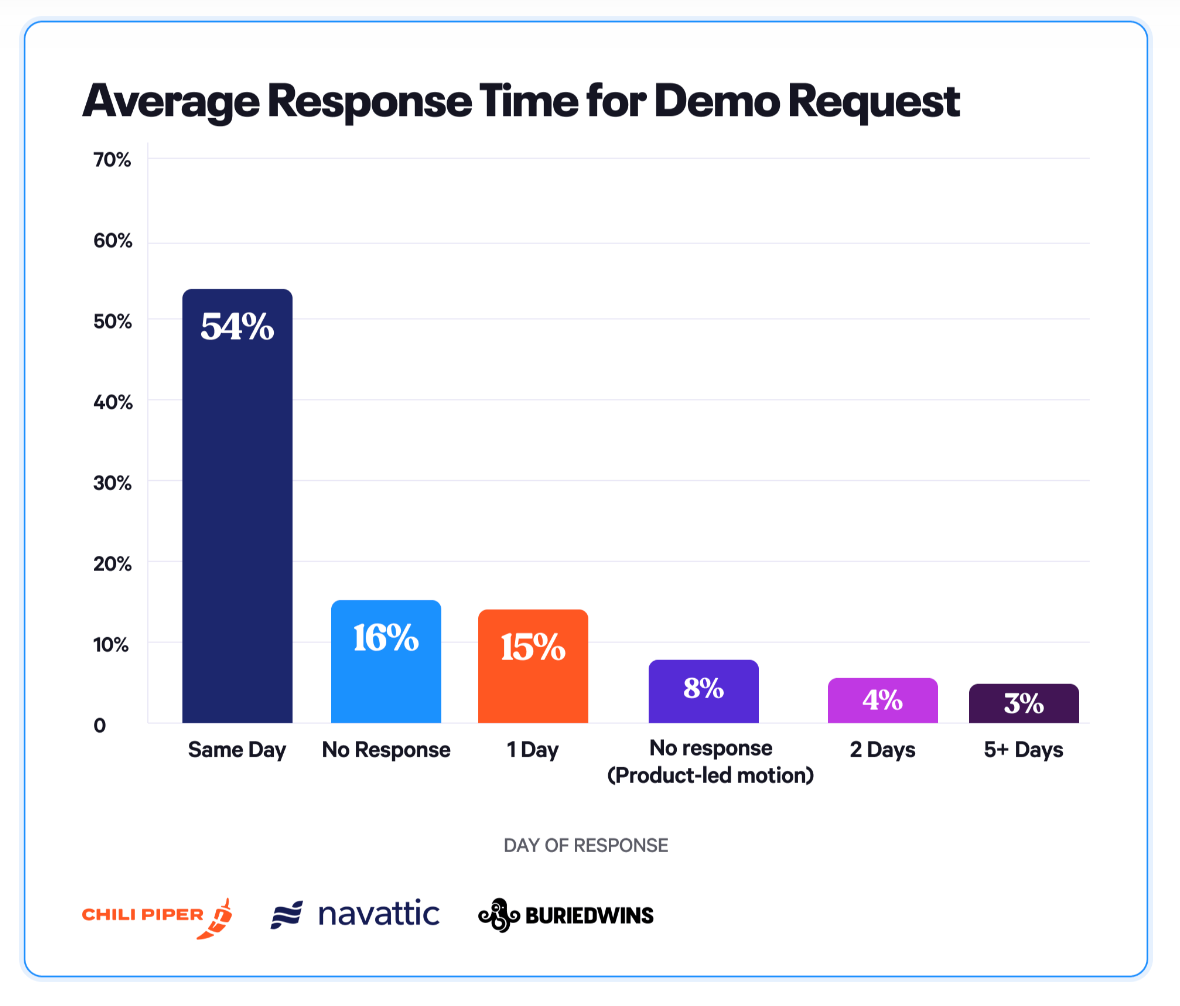
In our 2025 B2B Buyer First Best Practices Report, we found that 69% of the 100 largest B2B SaaS companies respond to demo requests within one day.
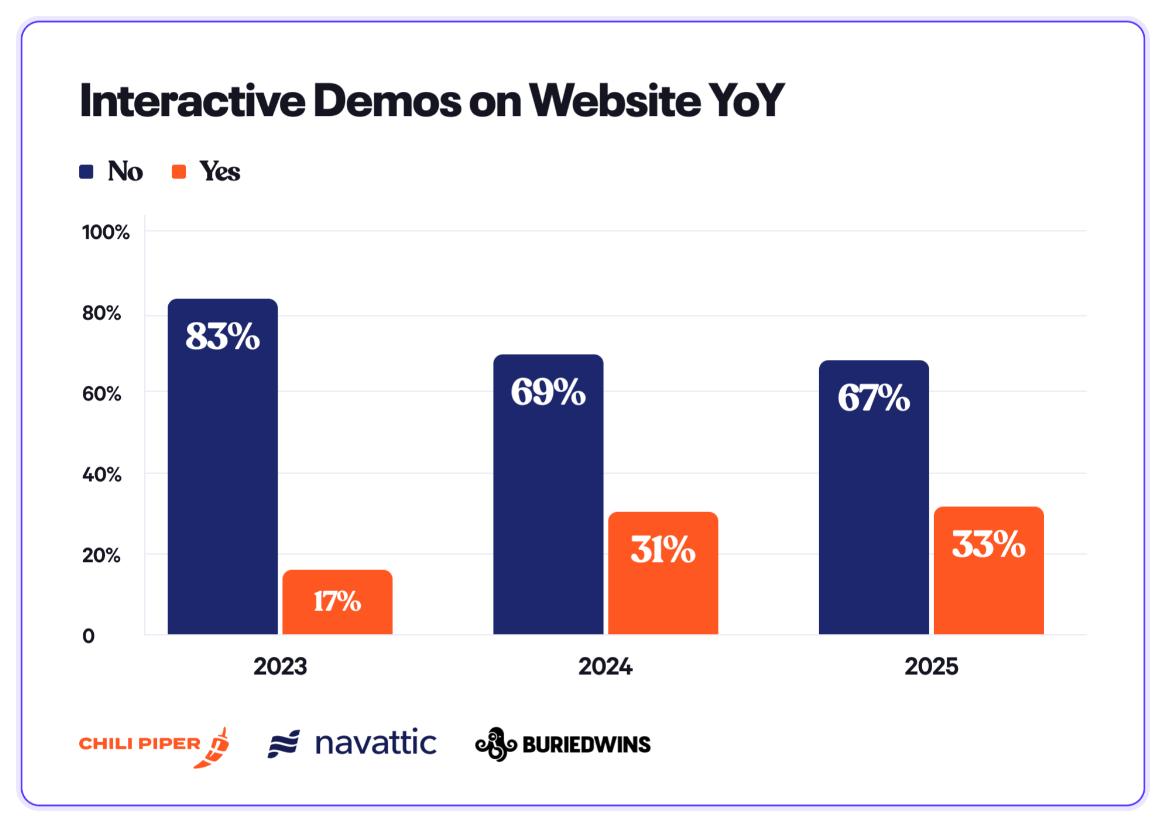
Top SaaS companies also tend to include interactive demos on their website.
In 2025, roughly 33% of websites had interactive demos (a 2% increase from last year).
And they’ve adapted to use interactive demos in several ways, giving prospects a chance to try more of their product before they buy and envision using it in their day-to-day.
How leading B2B companies improve the buyer experience
In our 2025 B2B Buyer First Best Practices Report, we found that the best buyer experiences have three things in common — things you can apply to your GTM approach.
1. They are accessible
54% of the top 100 B2B SaaS companies respond to inquiries within the same day.
To do the same: Make it a priority to reply to demo requests within 24 hours or insert a calendar scheduler on their demo request forms.
2. They are usable
33% of the top 100 SaaS companies make it easy for buyers to try out their products – an increase of 16% since 2023.
To do the same: Feature an interactive demo prominently on your website and/or offer a free trial or freemium plan.
The team at Airbase actually boosted their live demo requests by adding interactive demos to their buying experience. “It’s because users get to that moment with our interactive demo, where they say, ‘Yes. That is exactly what I want.’”
3. They are transparent
72% of the top 100 SaaS companies publicize their packaging, a 15% jump from 2023.
To do the same: A public-facing pricing page can help your buyers see what you offer and the return they can expect on their investment.
5 Steps to convince leadership
Persuading leadership is tough, but quantitative and qualitative data points and solid experimentation can win you the support you need to get and stay ahead of the B2B buyer experience curve.
Here’s how:
1. Gather external data
Your leadership wants to know that you’ve done your research and understand what separates mediocre buyer experiences from great ones.
Sources could include:
- Industry standards or reports for buying habits
- For example, G2’s 2025 Software Buyer Behavior Report
- Examples of what other marketing leaders are doing successfully
- Ramp’s interactive demo. Kyle Lacy at Docebo raves, “Ramp has a brilliant product tour. It’s just easy to use. You explore the product in a meaningful way. I mean, I also love Ramp. But for me, it’s the walkthrough of the product tour in a digestible and meaningful, and not just throwing you into a demo environment.”
- Case studies that emphasize the need for a seamless buying experience
- Gong, a leader in the SaaS space, improved their form conversion by 70% by streamlining their demo requests with Chili Piper.
At Navattic, I interviewed top marketing experts and asked them how companies can improve the buying experience. Here are some of their responses:
- Streamline your process so there are fewer handoffs. Jenny Narod at Samsara explains, “I'm trying to get it through procurement fast. And so even just that, delay in requesting a demo, or filling out this form, and waiting for the rep to then they’ll get back to me. You lose a day or two in that whole process. And I would schedule the same-day meeting if it's available.”
- Use a calendar embed. Mary Batchelder at CaliberMind shares, “Definitely use a calendar link. I think it’s really painful to manage schedules any other way. You know, pulling up your schedule and their schedule alongside.”
- Give users the info they want to know, right away. Isaac Ware at User Gems says, “I would say just get straight to the point with everything. As long as you have your basic discovery out of the way, get to the product and pricing, and solutions as quickly as possible.”
2. Gather internal data
Internal data is just as valuable as external data. And prospects and customers will tell you what they want.
By listening to sales calls and talking to customers, you’ll start to pick up on patterns that help justify your focus on the buyer experience.
For example, at Navattic, we have a field on our book a demo form that says, ‘Please share anything that would help us prepare for our meeting.’
When we looked at the numbers, prospects said they wanted something related to pricing 15% of the time.
Marketers were also constantly contacting me on LinkedIn about our pricing. They were interested in using Navattic but weren’t sure it was in their budget.
Both of these data points showed it wasn’t just my opinion that our buyers wanted public-facing pricing, helping move the needle forward on our decision.
3. Align with your sales or product team
Sales and product will have a big say in how you focus on the buyer experience, and because they’re one of the biggest stakeholders, you need their support.
At Navattic, I had to convince our Head of Sales, Ben Pearson, that public-facing pricing would lead to better sales cycles and that it was what prospects actually wanted.
To do that:
- I found multiple recordings of prospects asking for pricing.
- I showed him messages I got on LinkedIn from people asking me for pricing.
- I found a few deals where we showed pricing earlier in the sales cycle and closed them easier and faster.
All of these examples were signs that public-facing pricing could create higher-quality leads with fewer objections during the sales process.
In an episode of our podcast, Revenue on the Rocks, Ben said, “The breaking point for me was imagining you worked at a company and you had prospects telling you all day long that they needed feature ABC, and you refused to build it.
Natalie was hearing about public-facing pricing constantly. We heard it on every call. Our prospects were craving and dying for it, so eventually, it was a decision we made.”
Niall made a similar case by sharing real buyer pain and feedback with higher-ups. As a result, there “wasn’t too much convincing required.”
“I set out the vision of why we should do it with hard evidence. And then they would say, ‘Let’s try it and see,’” he says.
The outcomes of that trial set Niall and his team up for investment in future changes – a great segue to our next section.
4. View your changes as an experiment
The first thing you do to improve the buyer experience may not be an instant success. That’s ok — you just have to experiment until you find your sweet spot.
Framing your initiatives as “tests” can lower resistance from leadership. Thinking through the types of questions they’ll want answers to will get you even further.
Niall explains, “When I think about gating, for example, I try to think about it from a very common sense perspective. Who is the form gate serving? Is it serving your prospects and your customers? Or is it serving your team internally?”
Once you’ve anticipated their questions (and sufficient answers), pick the right strategy to introduce your experiment:
If you’re a sales-led company
Use a Tiger Team approach. Select a group of sales reps that you know are open to experimentation. Then, ask them to start feeding different variations of your tests to prospects and customers.
At Navattic, we didn’t go all in and put pricing up on our website immediately. Instead, we focused on making incremental changes and seeing how prospects responded.
We first asked our reps to email potential customers our pricing before they chatted with them and be more upfront with pricing in the sales cycle.
If you’re a product-led company
Try A/B testing. I’d recommend measuring down-funnel effects rather than just conversion rates. While you may get fewer free trailers, the ones you do capture will likely be more activated and eventually convert to paid accounts.
Note: Before you start testing, you’ll need to decide your success metric. That way you can all agree if the test was successful or not.
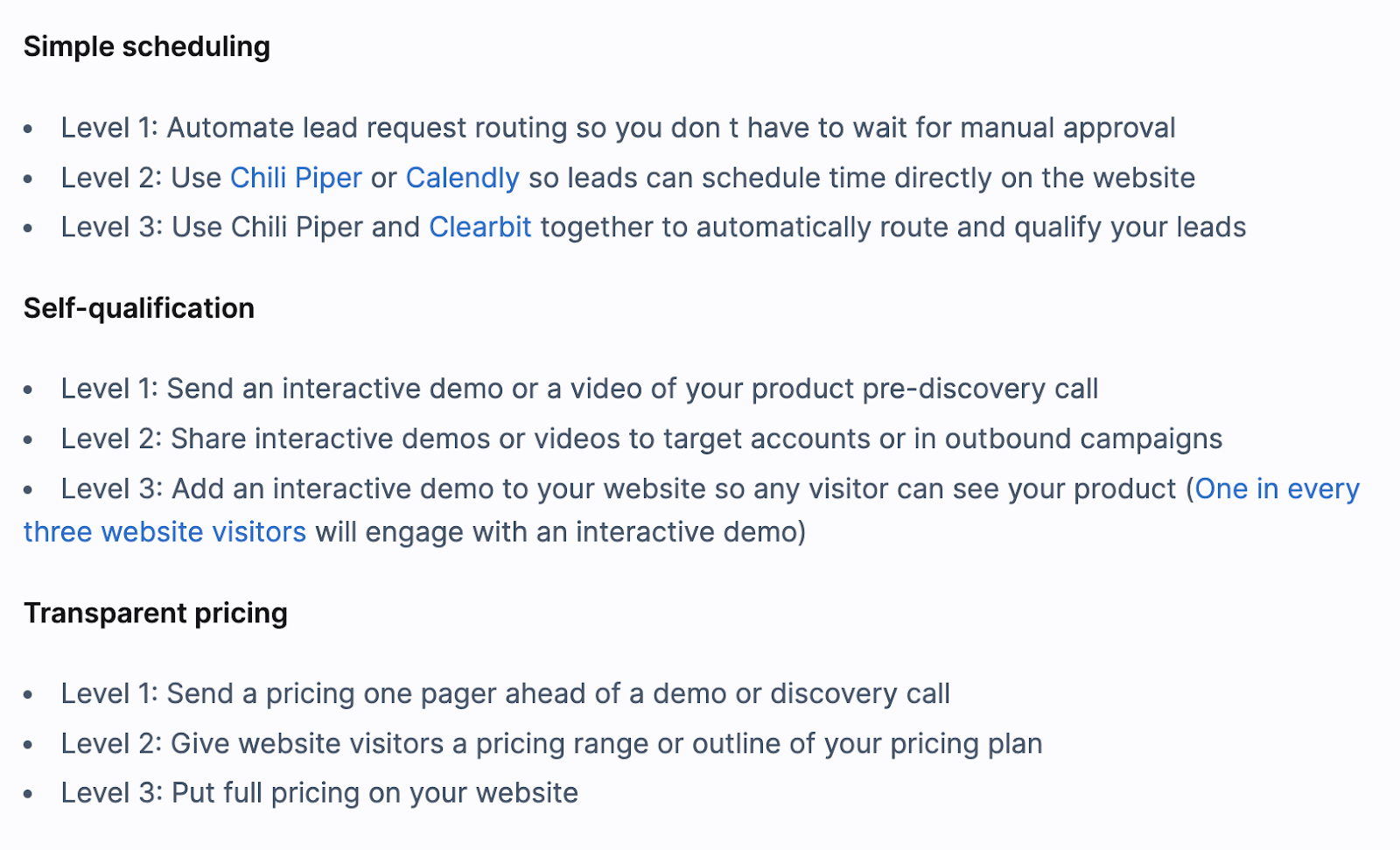
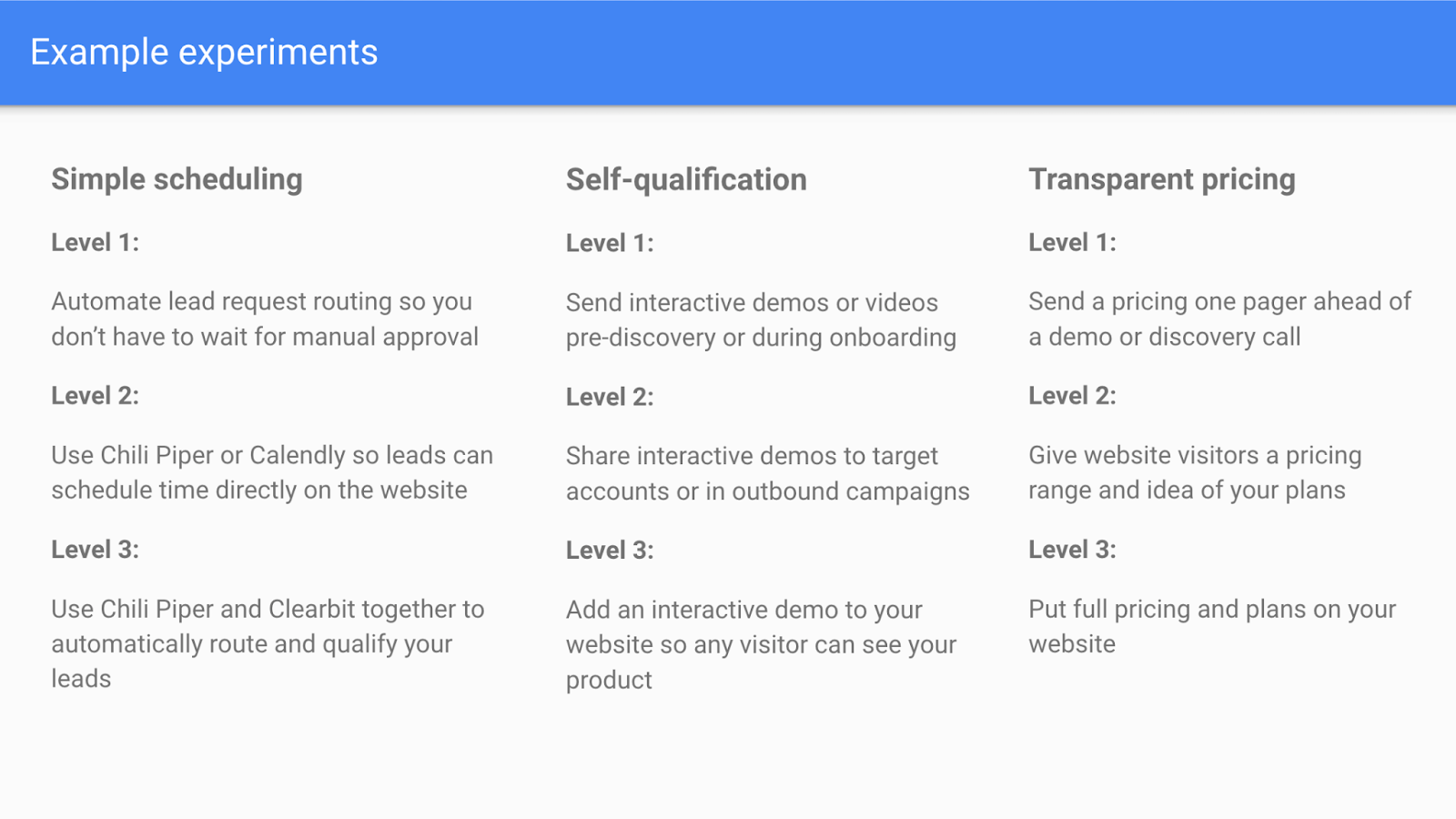
If you’re looking for some guidance on different experiments, here are a few different buyer experiences you can test at varying degrees:
5. Share results and iterate
As you’re testing, sharing results with your team is critical.
Give them frequent updates (quarterly, or even weekly) on how it’s going and what you’ve noticed as you’ve started to experiment.
Even better if you can put it into terms the whole GTM team understands: revenue.
Per Niall, “The most important message is that marketing contributes to revenue. We’re not just sales assistants. Showing that you’re a contributor to the revenue side gives you a much stronger seat at the table.”
As we were testing out public-facing pricing, I created a Notion doc with all of the metrics we were tracking and shared results with the team on a weekly basis.
After each quarter, take a moment to zoom out. That’s where you’ll see the biggest change.
In our public-facing pricing experiments, quarter-end was when I noticed we’d reduced our sales cycle dramatically.
Navattic customer Coupa saw major changes to their sales cycle after making it easier for buyers to try out their product: “Before Navattic, prospective customers had to wait 2-3 weeks to get a demo and even longer to get a test drive. With Navattic interactive demos, we’ve helped influence over $10M of ARR.”
Curious what results you can drive with a more accessible, usable, and transparent buyer experience? Review our customer case studies.
Examples of websites with top buyer experiences
Looking at other top websites can help you design a premier sales experience. Below, we walk through three different websites and explain how they meet buyer-first criteria.
RingCentral
RingCentral, an AI-based communications platform, is the gold standard for a buyer-first website. It’s got:
A phone number prospects can call in the top navigation, so they can get expert advice at any time.

A “View demo” CTA button that takes users to an interactive demo library, giving leads multiple use cases to explore.
They even divide them up into “Business Communications” and “Customer Experience” so users can easily find the features they want to see.
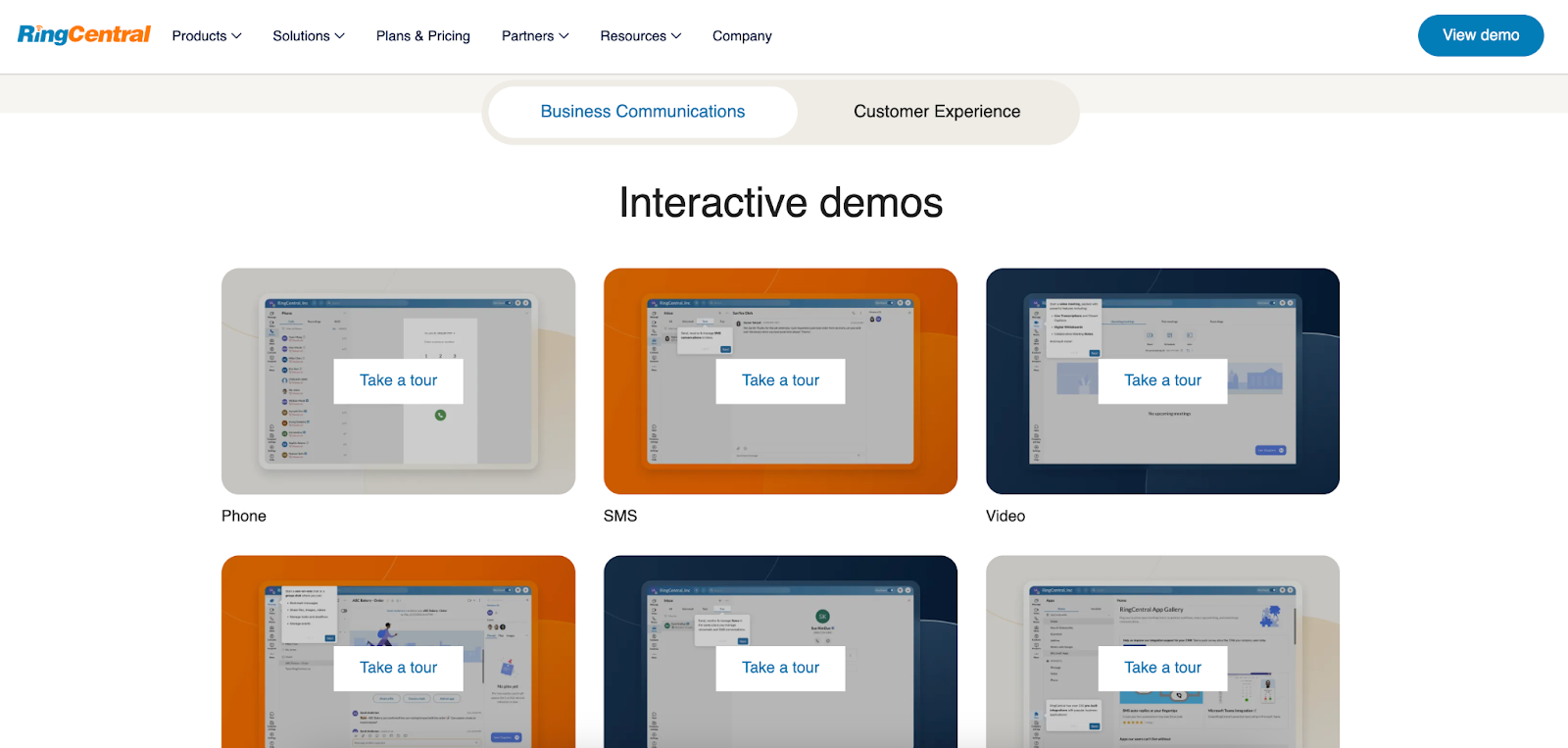
Try a RingCentral interactive demo yourself here.
Public-facing pricing, which shows each plan’s price and included features.
They even have toggles for annual vs. monthly payments and number of users so prospects can get a true sense of what they’ll be paying if they convert.
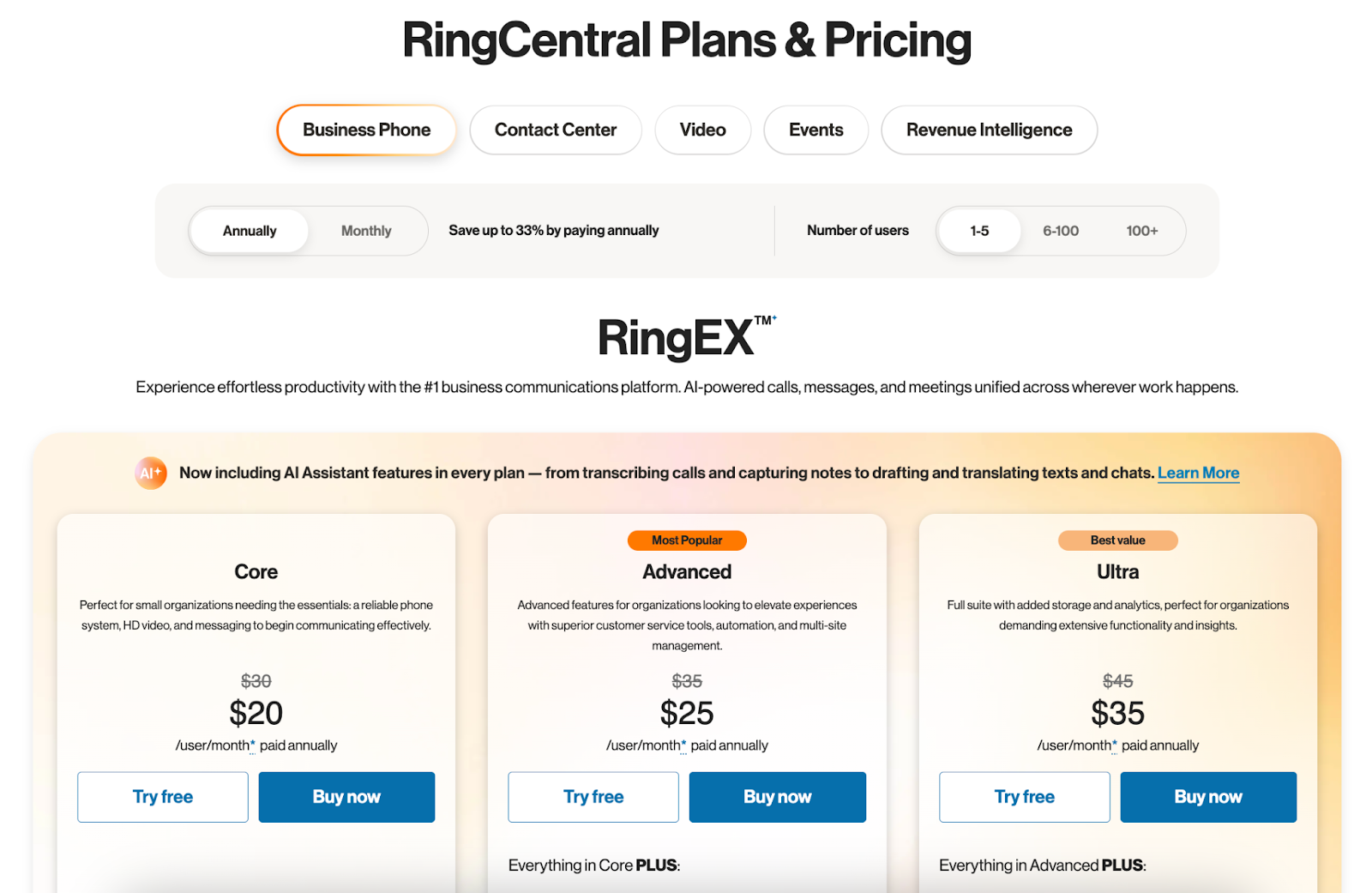
RingCentral made most of these changes last year, and though we can’t directly correlate growth with their buyer-first website, the fact that RingCentral's yearly revenue increased by 9% after adopting these best practices is a positive sign.
Remote
Remote, a global HR platform, has done a fantastic job of designing its website with the buyer in mind.
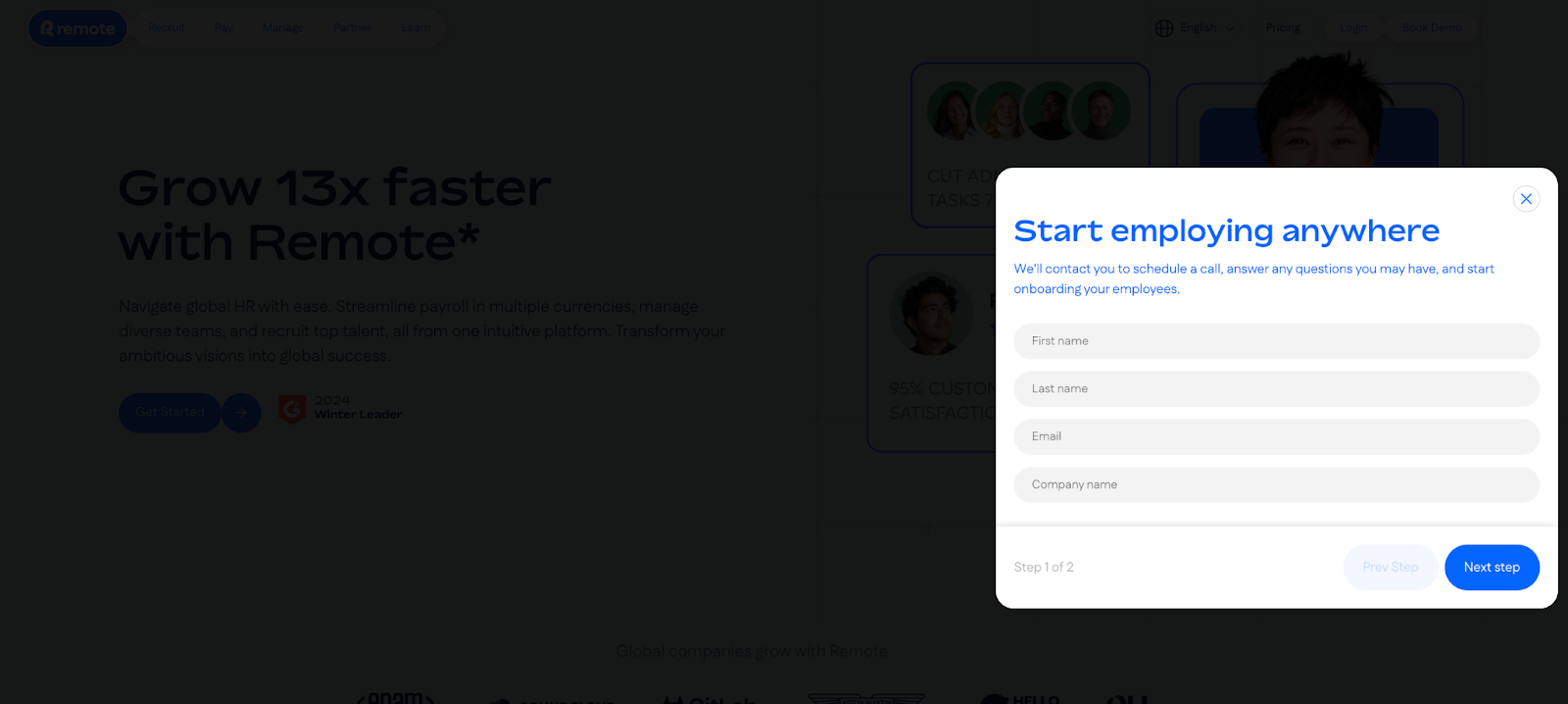
It’s got two book a demo CTAs on its homepage for visitors to get in touch with sales. One “Get started” button, right under the hero header, and one “Book Demo” CTA at the top right.
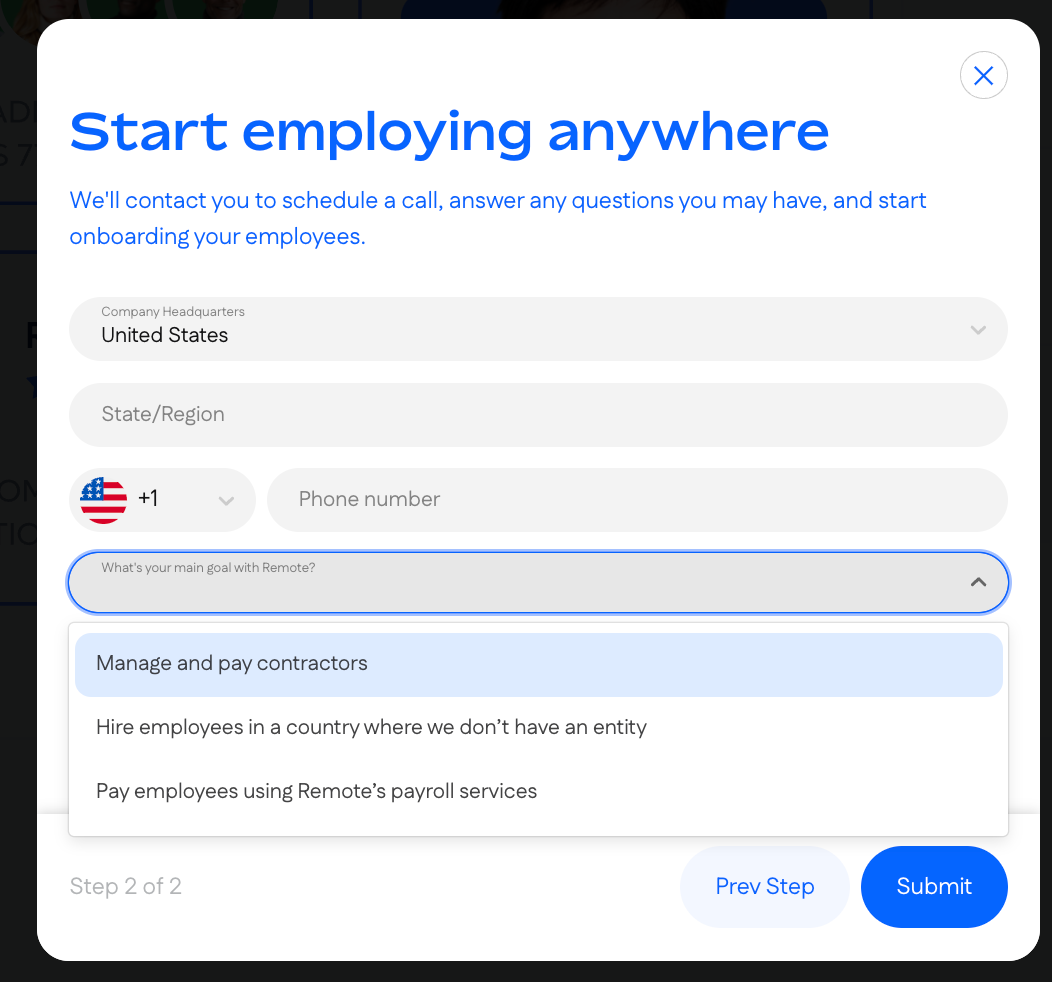
Clicking on either button opens up a book a demo without navigating the user to a separate page.
It also asks users what their main goal would be in using Remote to help tailor the live demo once it’s scheduled.
As visitors scroll further down the homepage, they see an interactive demo, which helps them understand the payroll process through Remote.
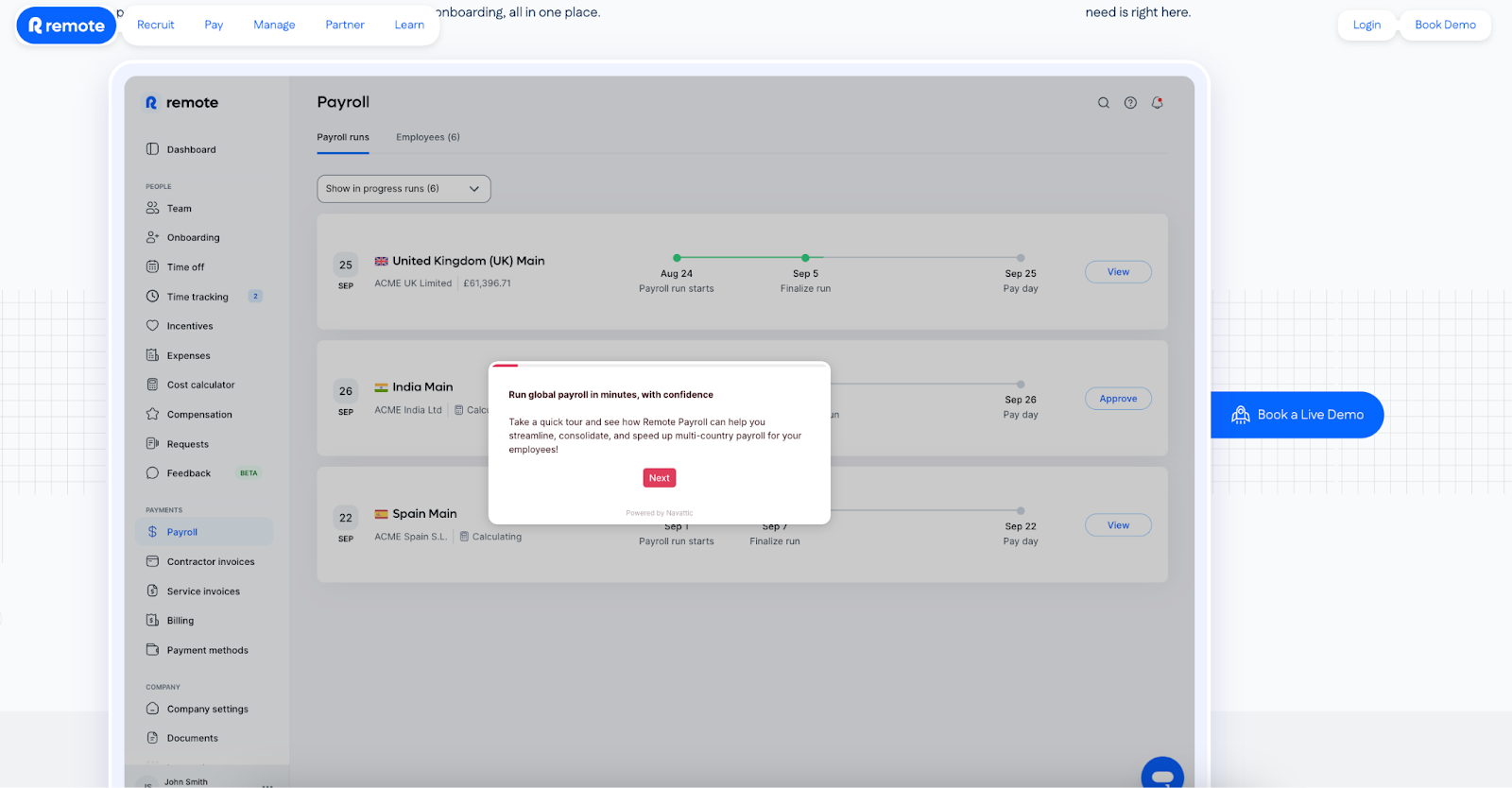
At the end of the tour, users are prompted to book a demo and get redirected to a more personalized landing page focused on running payroll with Remote.
Try a Remote interactive demo yourself here.
The bottom of the homepage has a final CTA to “Show all plans.”

Clicking that button jumps you straight to their pricing page (in the same window!) showing three detailed pricing plans.
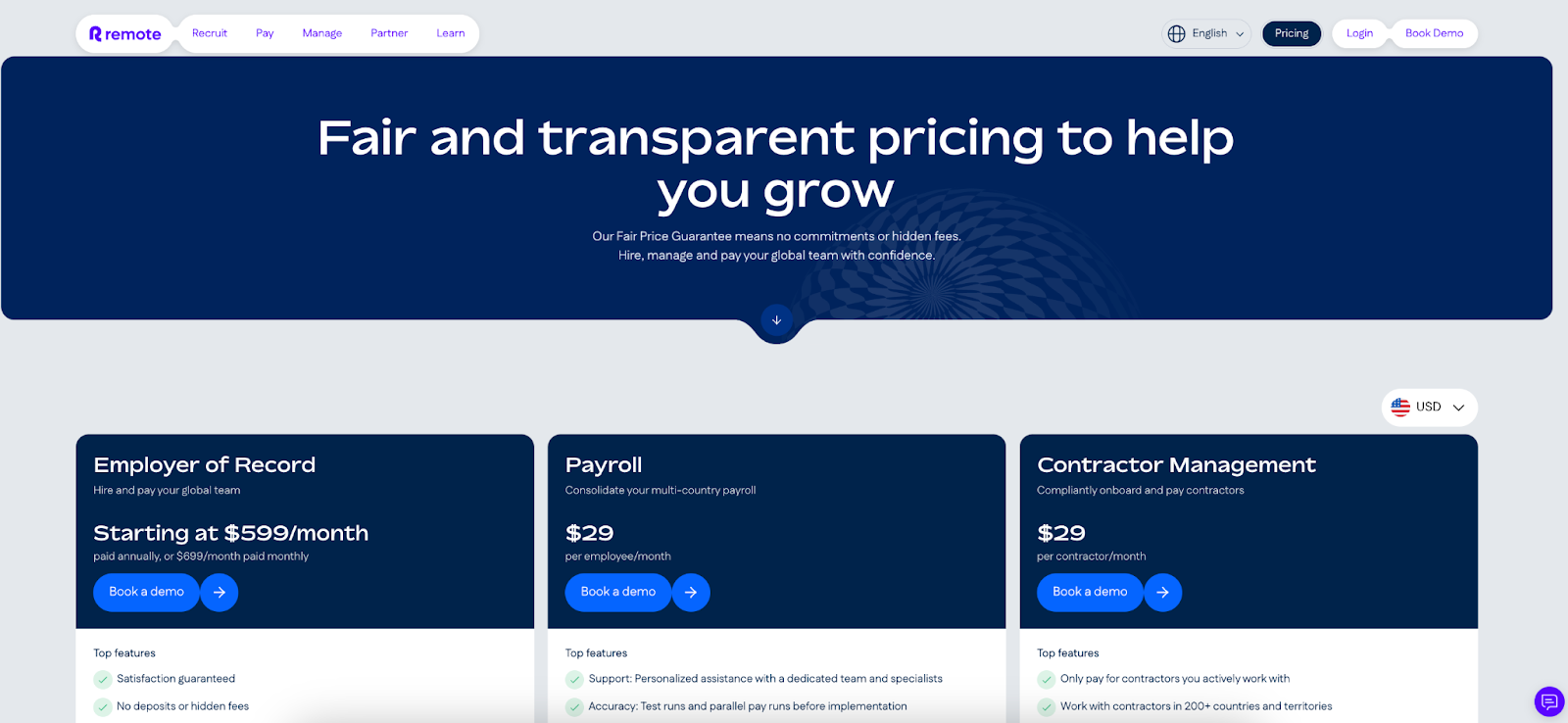
In case users haven’t already filled out a book a demo form, they’re prompted to do so here — right underneath the list price of each plan.
Lattice
Lattice, an HR platform, follows buyer-first guidelines to a T.
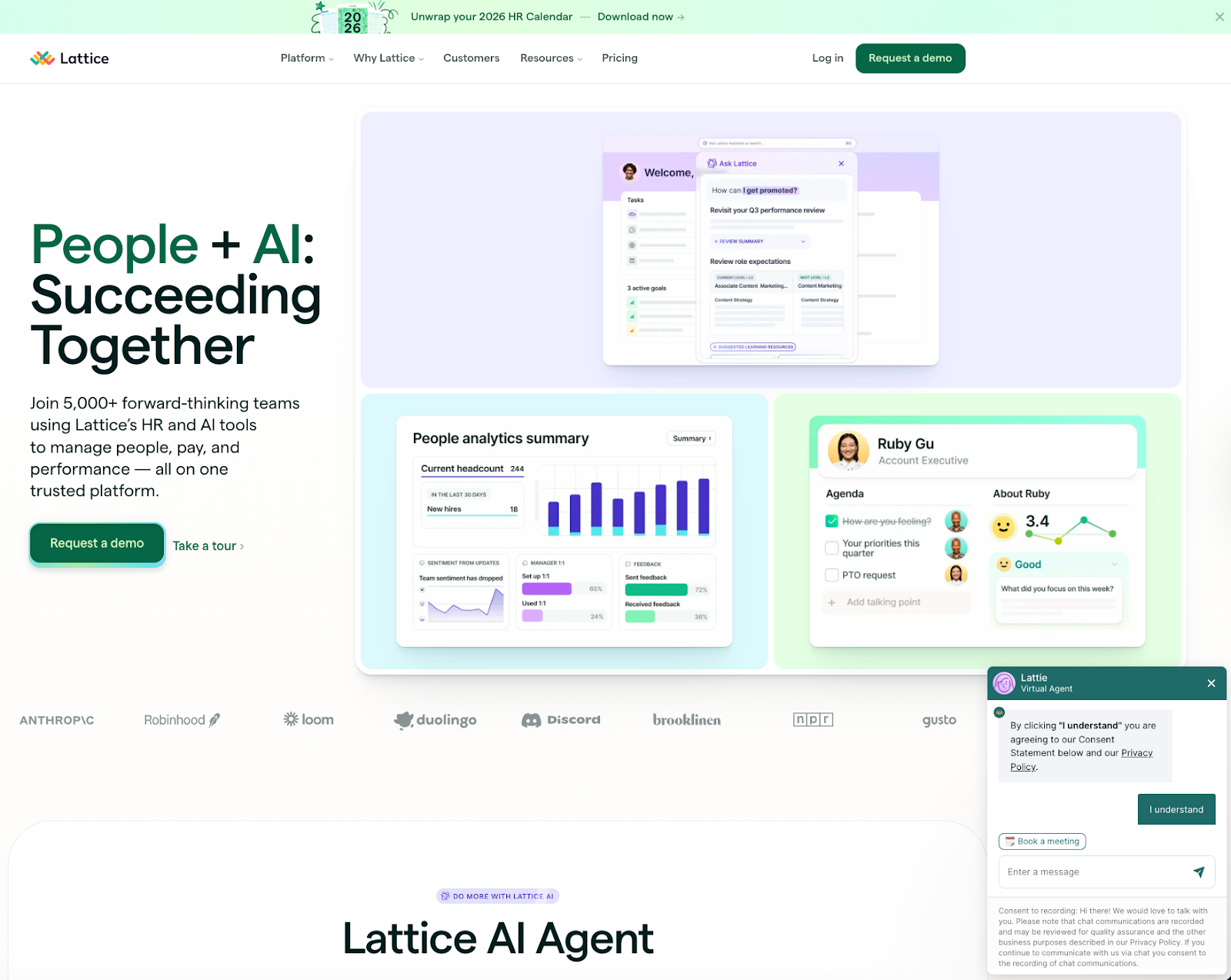
For one, visitors have multiple opportunities to talk to sales on the Matillion homepage. They can “Request a demo” in the upper right corner, in the hero section, or “Book a meeting” through the Virtual agent.
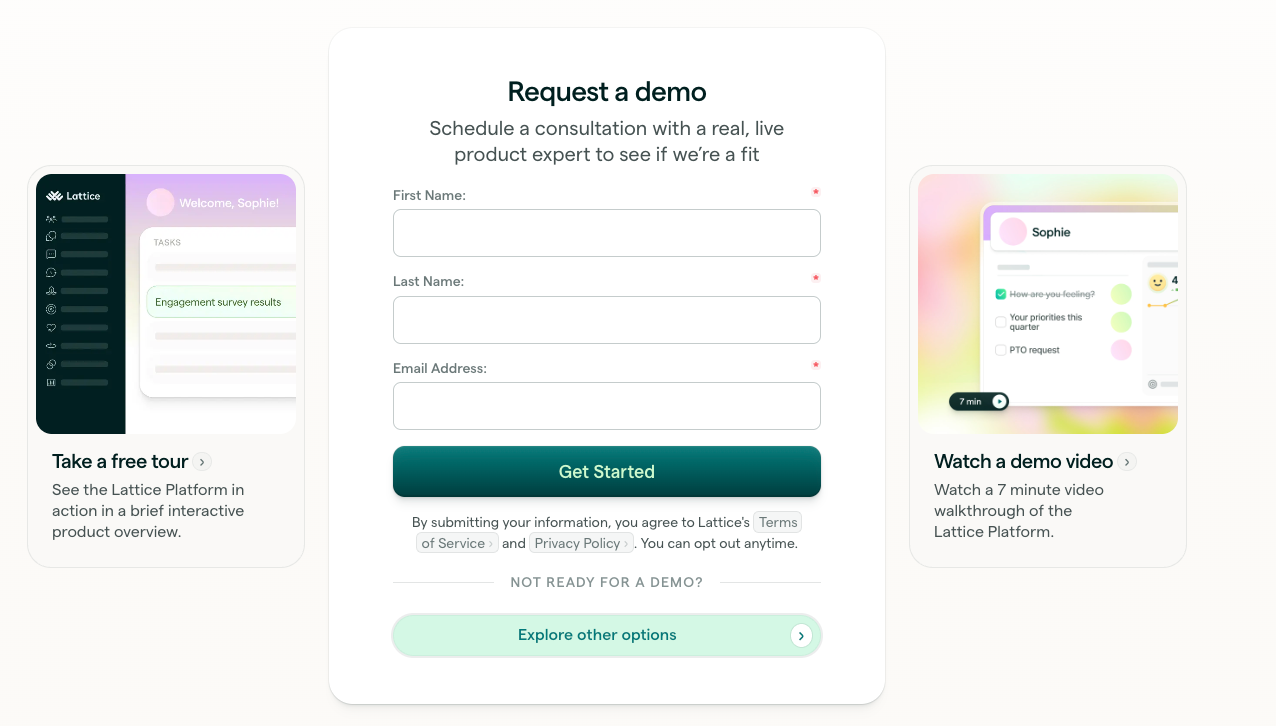
On their Request a demo form, Lattice gives people who aren’t ready for a demo additional options, like taking a tour or watching a demo video.
As users scroll down the homepage, they are invited to take a tour when they hover over Lattice’s Talent or AI-related features.
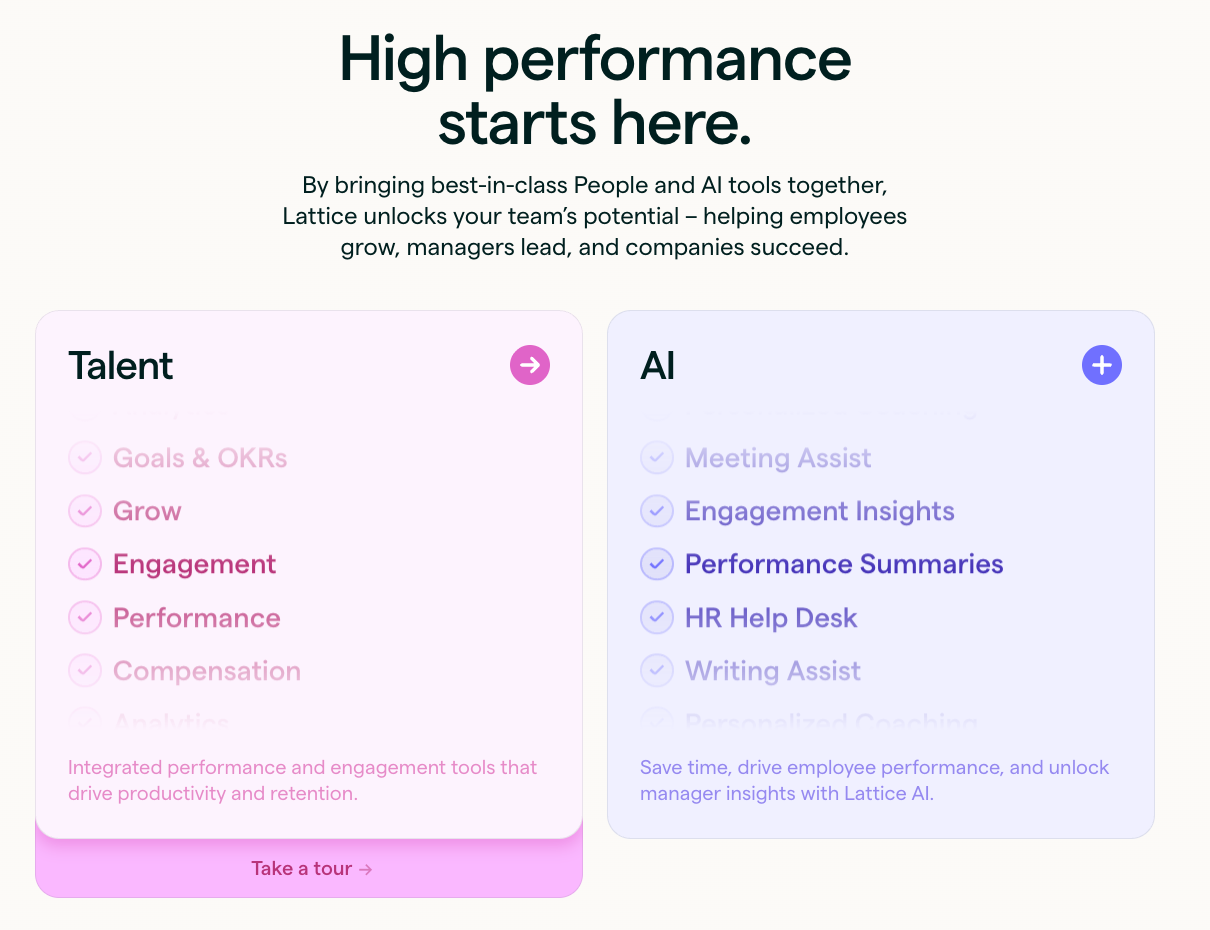
Clicking “Take a tour” refreshes the page to a quick form where users can provide information about themselves and their company – in case Lattice reps want to follow up with relevant information later.
Try a Lattice interactive demo yourself here.
About five steps into the demo, the Lattice team checks to see if the user wants to keep proceeding with the tour or schedule a demo.
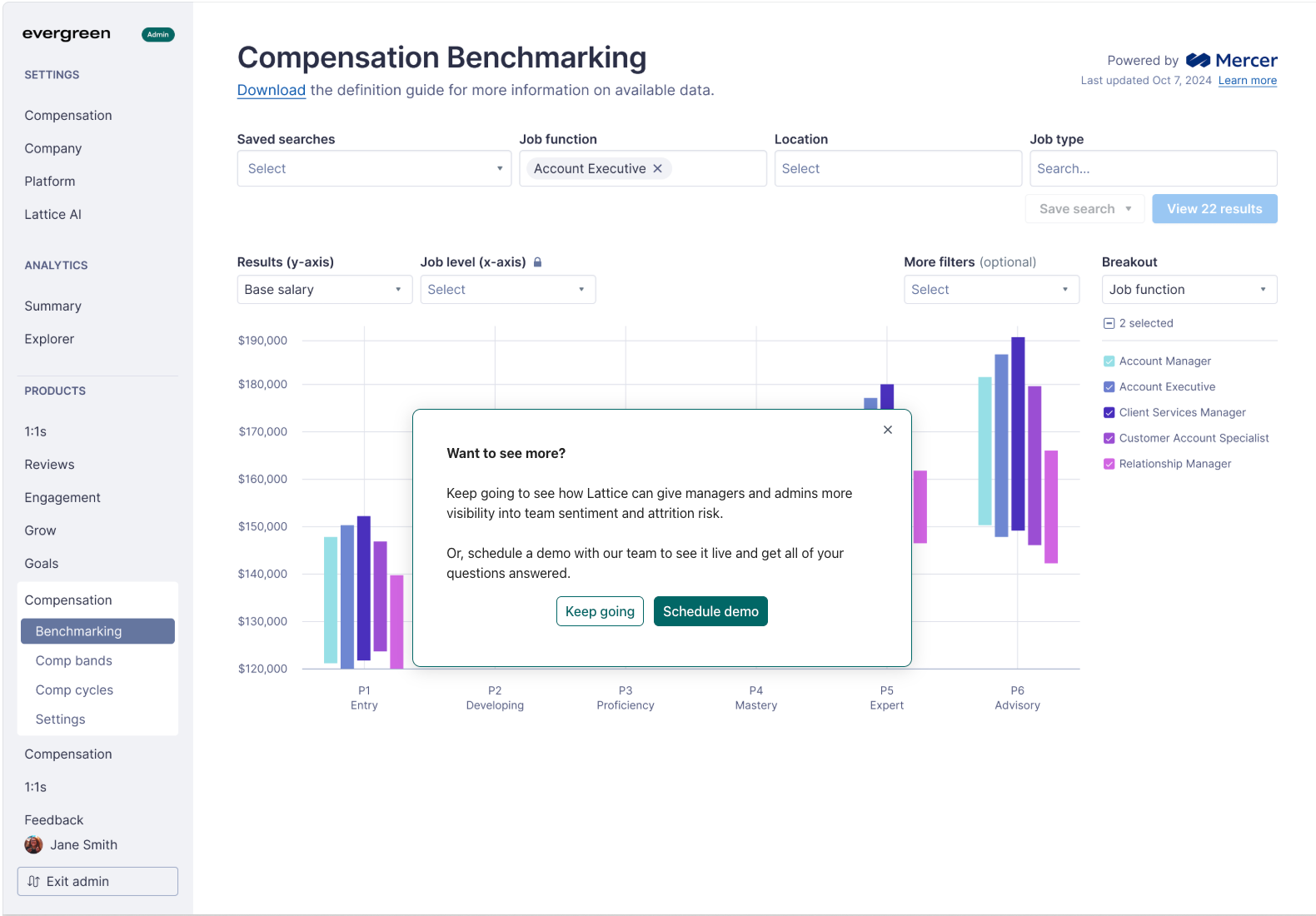
Clicking “Schedule demo” takes them straight to the demo request form.
Want more examples like these?